
An endoleak is the leaking of blood outside a stent graft and within an aneurysm sac This condition can lead to aneurysm sac enlargement and potentially rupture if not adequately managed. It’s a common complication of endovascular aneurysm repair (evar)
There are five types of an endoleak An endoleak refers to the persistent blood flow into the aneurysm sac after the deployment of an endograft during evar Type 2 is the most common
It has been referred to as the “achilles' heel” of the endovascular approach to aneurysm treatment. An endoleak is a common complication of an endovascular aneurysm repair (evar) Learn more about the basics of endoleaks, including endoleak definition, symptoms, and treatments. Persistent arterial perfusion of the aneurysm sac after endovascular treatment indicates a failure to completely exclude the aneurysm and is defined as endoleak [9,10]
Endoleak is associated with an ongoing risk for aneurysm expansion or rupture. An endoleak refers to persistent blood flow within the aneurysm sac following an endovascular aneurysm repair (evar) procedure —one of the procedure’s most common complications. An endoleak is a complication of endovascular aneurysm repair (evar) where blood leaks into the aneurysm sac, increasing the risk of rupture Learn about the various types and how they are diagnosed and skillfully treated at tampa general hospital.
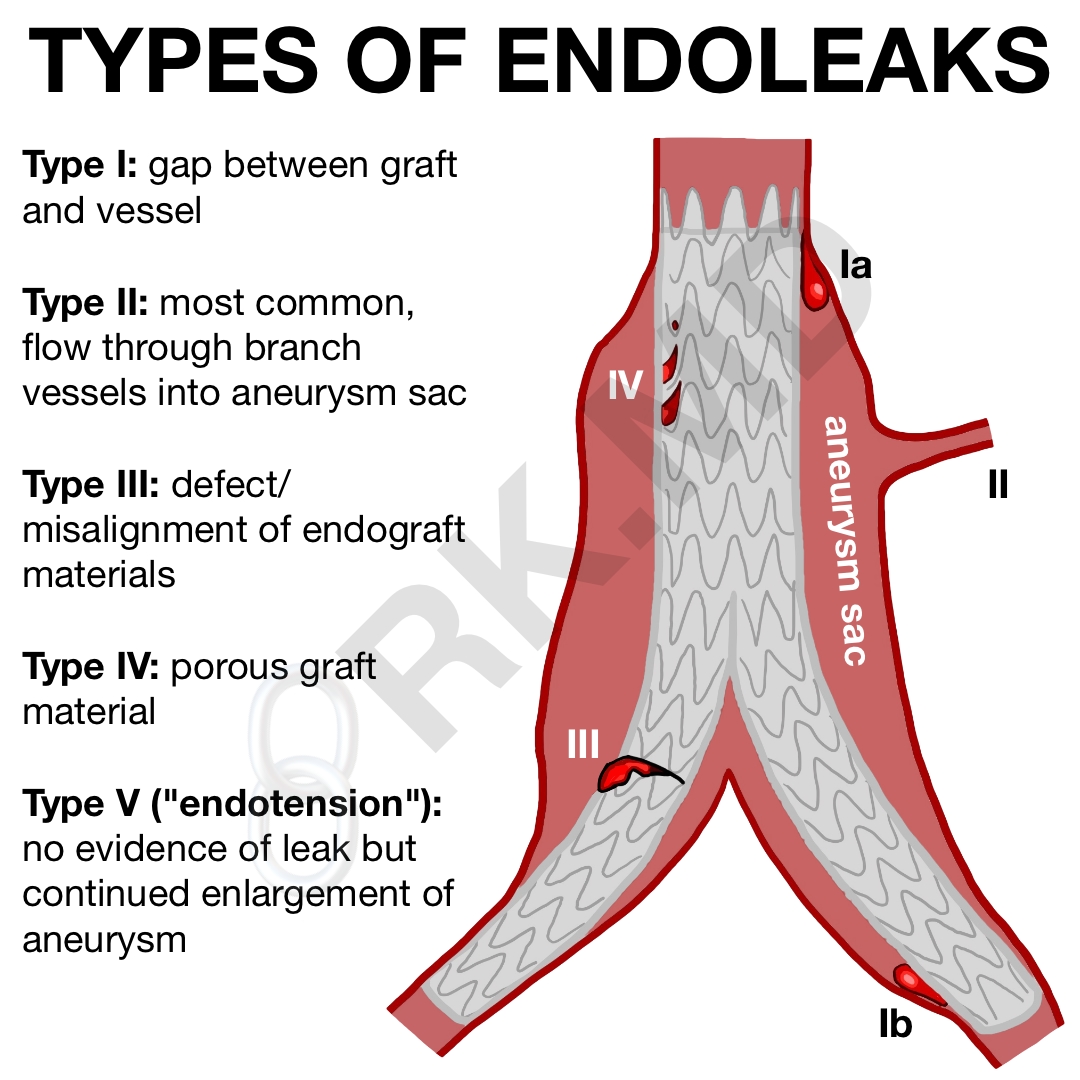
Endovascular aneurysm repair, endoleak, embolization, interventional radiology. In the context of aortic health, an endoleak refers to the leakage of blood around a previously placed aortic endograft This can lead to complications and potential risks for patients Understanding the different types of endoleak is crucial in managing this condition effectively.
Our skilled aneurysm care team can fix endoleaks before they become an emergency.


